

+1-800-622-4632 | [email protected] EN | ES
Stylized map background of Mahindra regional farm coverage

Regional applications

Mahindra Industries Mapped by Crop Geography

Select a region tab to see how compact and utility tractor packages adapt to soil class, working width and seasonal moisture targets.

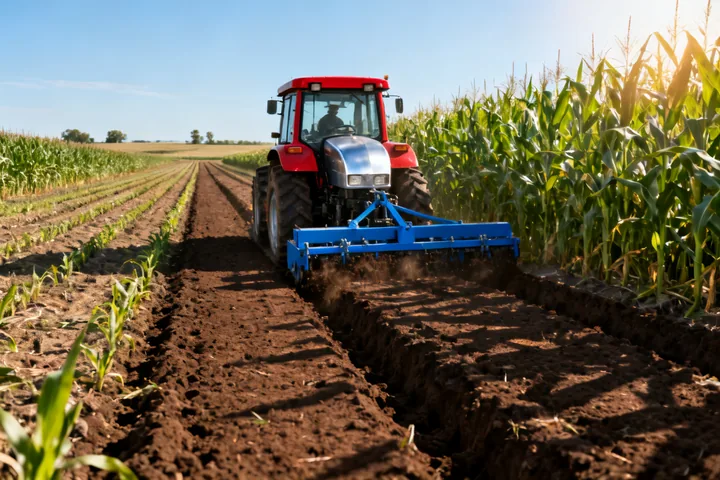
Midwest row-crop edge acres

Utility tractors support headland tillage, seeder assist and grain cart cycles when Magnum-class machines handle the main passes. Coverage planning often starts at 40 ha blocks with rotary tiller draft logged by soil class.

Growers debating drip irrigation versus center pivot for edge acres still need tractor hours for fertigation manifold moves and residue management—Mahindra packages keep those support roles sized honestly.

Midwest utility tractor on headland tillage

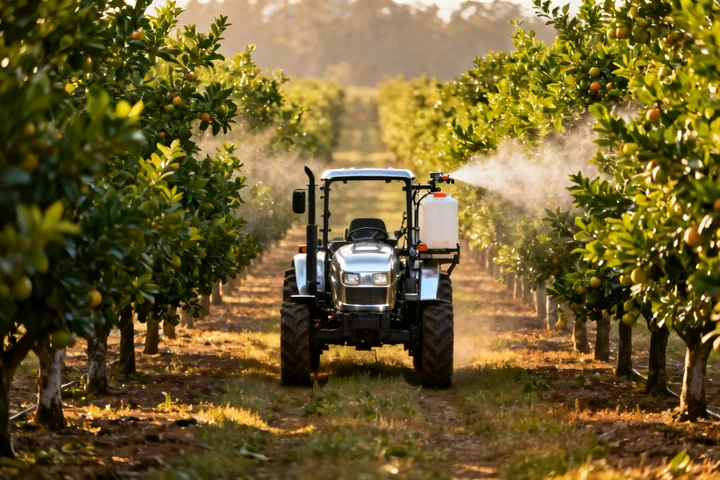
Southern orchard and vineyard alleys

Narrow compact frames with spray drift control packages protect canopy clearance where boom width is secondary to nozzle pattern stability. Tank capacity is sized to block length so refill trips do not break labeled wind cutoffs.

Where specialty fruit already uses drip tape, Mahindra machinery focus shifts to understory mowing and targeted crop protection rather than pivot logistics.

Compact tractor in orchard alley

Plains grain handling peaks

Harvest logistics hinge on grain moisture near 14% and dryer queue capacity. Mahindra support teams align tractor haul power and spare knife inventory before the densest cutting days when utility frames share the yard with larger combines.

Drone spraying versus boom sprayers remains a live dispute on fragmented Plains acres—Mahindra desks keep boom platforms as throughput backbone and document when drones only cover wet corners.

Grain cart and utility tractor at harvest

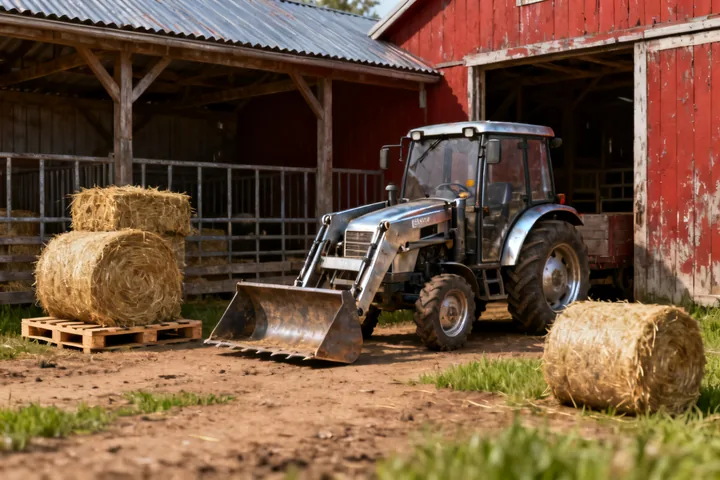
Mixed livestock forage yards

Loader lift class, fence-line mowing and manure handling dominate compact utility selection. When round balers and forage harvester crews share a compressed weather gap, bale density targets and tractor ballast plans are sequenced so feed quality does not wait on open-market pins.

Animal welfare housing projects also need tractor hours for bedding moves—Mahindra packages list those chores explicitly so CapEx is not justified on tillage alone.

Compact tractor with loader near livestock barn
40 haTypical coverage planning block
45–120 hpCompact & utility envelope
1.5–2.4 mCommon tiller working width
14%Grain moisture decision point

Field decision notes

Two disputes Mahindra desks document before CapEx closes

Drone spraying vs boom sprayers

Drone side: Fragmented fields, wet soils and steep orchard edges favor drones for flexible coverage when a compact tractor cannot carry a full boom. Drift risk still requires labeled rates and wind cutoffs.

Boom side: Contiguous hectares still reward boom platforms with higher liters-per-hour throughput, section control maturity and tank capacity in the 2000–4500 L range. Mahindra programs keep boom as the backbone when edge acres are the exception.

Drip irrigation vs center pivot

Drip side: Highest water-use efficiency for row and orchard crops, especially where fertigation manifolds already exist. Tractor hours then shift to residue and understory work rather than pivot tower moves.

Pivot side: Lower labor intensity for large rectangular or circular fields. Utility tractors still matter for fertigation manifold service and headland tillage even when pivot handles the primary water duty.

Neither dispute has a universal winner. Mahindra selection notes record field geometry, moisture targets and spray windows so buyers can revisit the trade-off when acres or crop mix change.

Map your region to a Mahindra package

Share crop geography, field geometry and the moisture or forage targets your operation enforces.

  • Region-specific hitch and ballast notes
  • Seasonal parts staging by crop calendar
  • Dispute-aware spray and irrigation context
Please enter your name.
Please enter a work email.
Please select one equipment need.
Please describe the field need.
Please accept the privacy policy.